Science and Space
Sunday, November 22, 2026 · How this tab is made
- Patients may miss out on NHS weight-loss jabs in England after GP funding withdrawn
Inquiry finds most integrated care boards have scrapped payments to GPs for prescribing and monitoring the drugPatients who are eligible for potentially life-changing weight-loss injections on the NHS risk missing out a…
The Guardian, 2 hours ago - Common medications may secretly rewire your gut, with effects lasting for years
Medications taken years or even long ago may leave lasting changes in your gut microbiome, according to a study of more than 2,500 people. Researchers discovered that common drugs, including antidepressants, blood press…
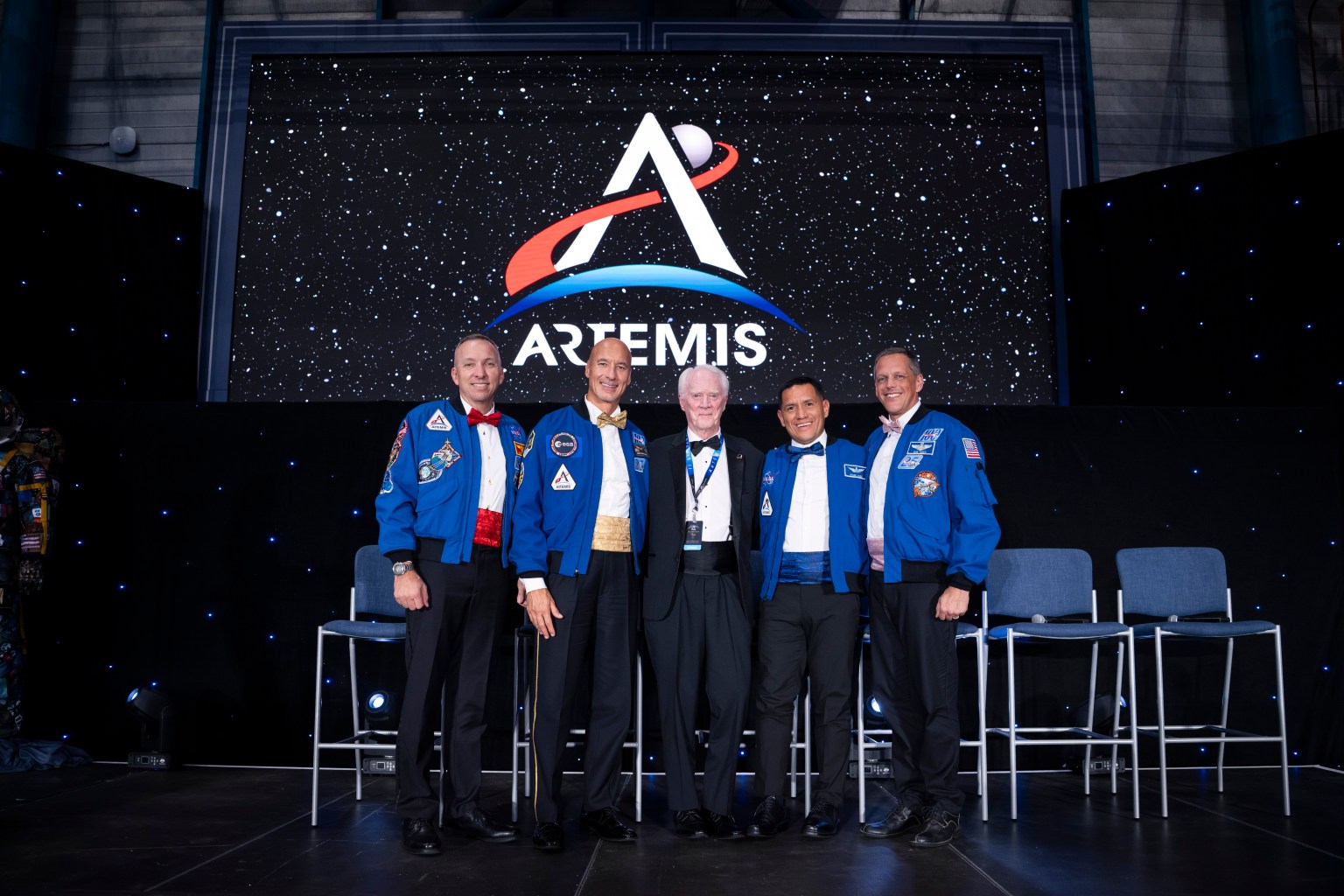
ScienceDaily, 5 hours ago - 65 Years of Human Spaceflight at NASA Johnson
For 65 years, NASA’s Johnson Space Center in Houston has helped shape human spaceflight, from the Gemini missions that demonstrated rendezvous and docking techniques needed for Apollo to the research conducted aboard th…
NASA, 7 hours ago - What's next after no deal at COP31 climate summit?
The COP31 climate summit in Turkey has formally come to an end after countries failed to agree a deal.
BBC, 8 hours ago - COP31 climate talks fail to reach major deal amid deep divisions
COP31 climate talks fail to make breakthrough on tackling climate change after a row about mentioning fossil fuels.
BBC, 8 hours ago - Interstellar solar sails hit a bizarre problem at 75% of light speed
Scientists have discovered a surprising obstacle to interstellar travel: at extreme speeds, the light propelling futuristic solar sails could actually begin slowing them down. Once a spacecraft reaches 75% of the speed…
ScienceDaily, 14 hours ago - A mysterious gap hints at black holes born from stars that never exploded
Massive stars may be quietly collapsing into black holes without ever producing the spectacular supernova explosions scientists typically expect. A surprising pattern in 257 black hole mergers suggests these mysterious…
ScienceDaily, 14 hours ago - DNA’s secret sunscreen may have helped life survive on early Earth
Scientists have uncovered a surprising reason why early life may have survived Earth's intense ultraviolet radiation: a key component of DNA appears to turn potentially destructive damage into something easier to repair…
ScienceDaily, 15 hours ago - Record-breaking sightings of rare moth in Essex
There is now a self-sustaining population of the moth at a nature reserve in Essex, a charity says.
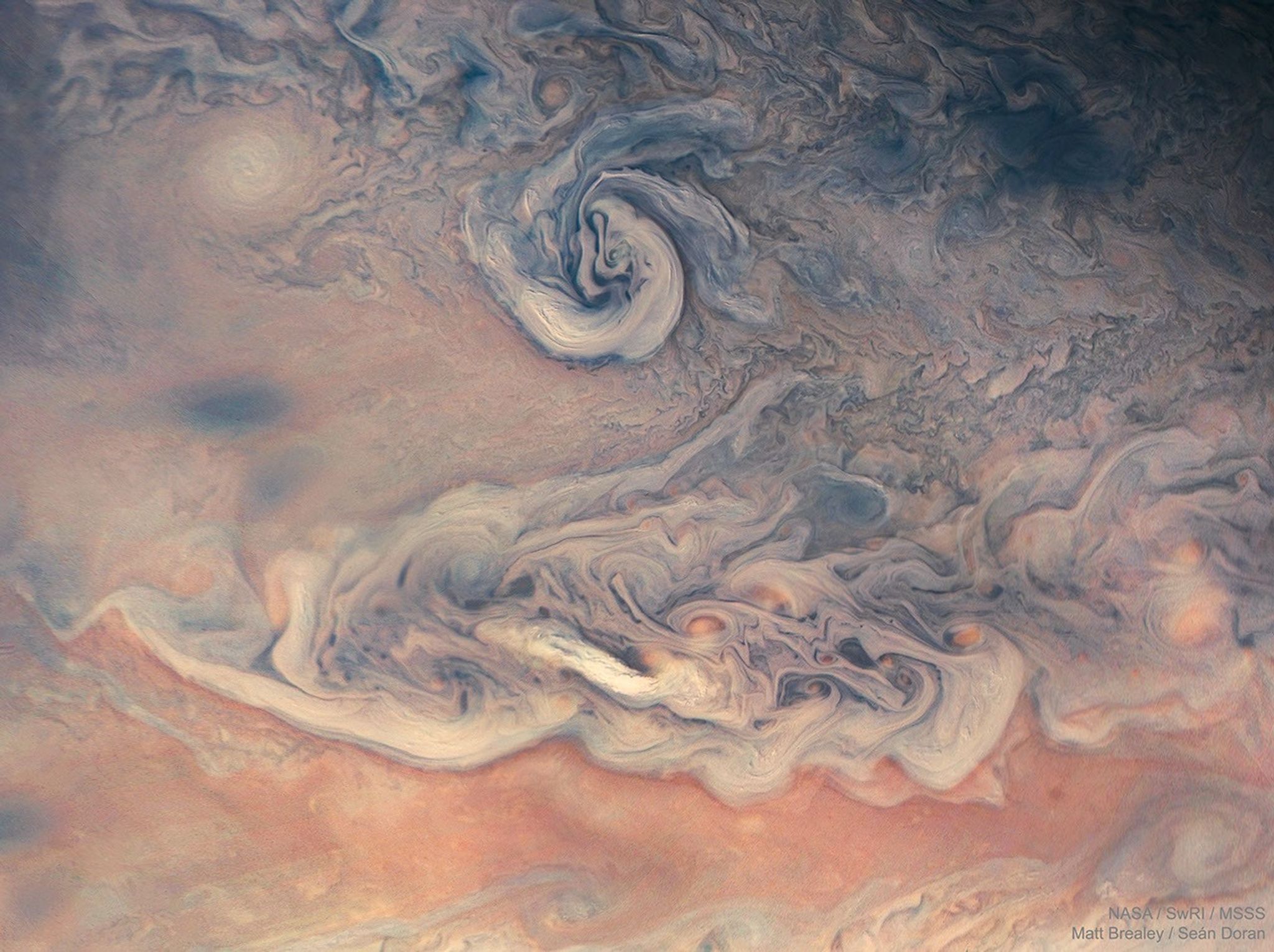
BBC, 20 hours ago - APOD: 2026 November 22 – Swirls and Colors on Jupiter from Juno
APOD Science APOD APOD: 2026 November 22 –… Today’s APOD Archive Submissions Index Search Calendar RSS Education About Discuss APOD Astronomy Picture of the Day Discover the cosmos! Each day a different image or photogr…
NASA, 21 hours ago - Fossil fuel dispute threatens to derail COP31 climate deal
The UN summit in Turkey enters second day of overtime as countries struggle to reach an agreement.
BBC, 22 hours ago - Scientists sequenced a whale's entire genome using drones and whale snot
Scientists were able to sequence the entire genome of a whale using samples of its snot. They used sharp flying skills and commercial drones affixed with petri dishes to collect the samples.
NPR, yesterday - Beating Ebola takes more than medicine – I saw what worked in west Africa a decade ago | Kayode Akintola
The outbreak in DR Congo is shaping up to be the worst ever, but the support of local faith leaders – and adequate funding – will be needed to bring it under controlEbola is terrifying: I know, because I lived through t…
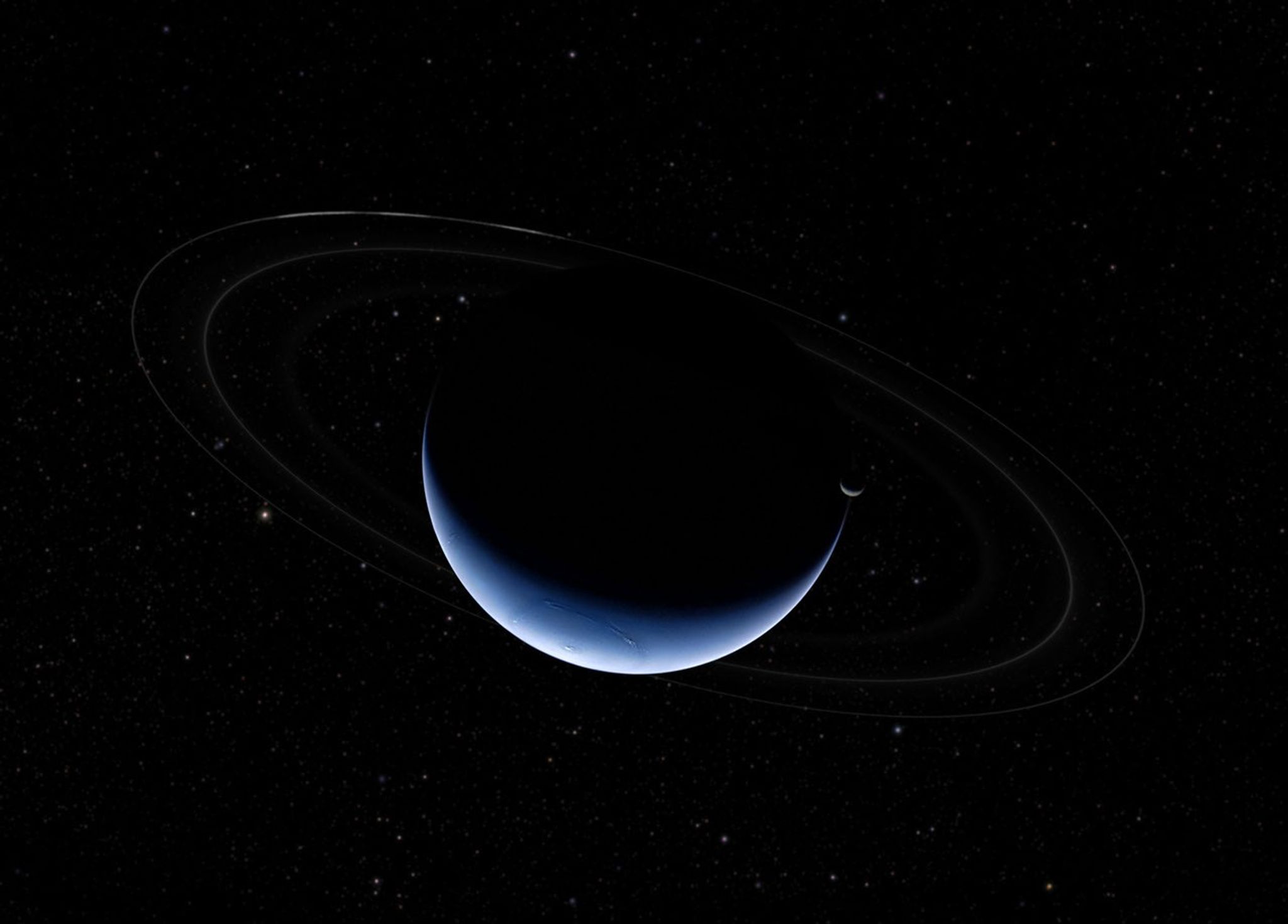
The Guardian, yesterday - APOD: 2026 November 21 – Voyager’s Neptune
APOD Science APOD APOD: 2026 November 21 –… Today’s APOD Archive Submissions Index Search Calendar RSS Education About Discuss APOD Astronomy Picture of the Day Discover the cosmos! Each day a different image or photogr…
NASA, yesterday - A 194-year-old tortoise has a remarkable anti-aging secret hidden in its DNA
At an astonishing 194 years old, Jonathan the giant tortoise is the world's oldest living land animal, and scientists may have finally uncovered the secrets behind his extraordinary lifespan. Researchers identified 287…
ScienceDaily, 15 hours ago - Hormuz swim highlights environmental cost of war
Ocean campaigner Lewis Pugh completes Hormuz challenge and warns of lasting environmental damage.
BBC, yesterday - Time may be far stranger than we realize. Scientists have a way to test it
Time may be far stranger than we realize, and scientists have proposed a way to detect clocks experiencing multiple flows of time simultaneously. Using atomic clocks with dramatically enhanced sensitivity, researchers h…
ScienceDaily, yesterday - A giant star swallowed another star. James Webb reveals the aftermath
Astronomers have witnessed a spectacular cosmic collision in the Andromeda galaxy, where a small star spiraled into a giant star 18,000 times brighter than the Sun, triggering a violent eruption. NASA’s James Webb Space…
ScienceDaily, yesterday - Who was buried in Westminster Abbey's Roman coffin? A 150-year mystery may be solved
A mysterious skeleton discovered in a Roman sarcophagus at Westminster Abbey may finally be identified after more than 150 years. New dating evidence suggests the remains belonged to a high-ranking medieval abbot who wa…
ScienceDaily, yesterday - How red squirrels made island their home
Conservationists say that, with red squirrels dwindling in the UK, Jersey is an "important refuge".
BBC, yesterday - Fight over fossil fuels leaves COP31 climate talks in deadlock
Countries from nearly 200 countries are in a deadlock to try and get a new global climate agreement.
BBC, yesterday - A 50-year-old theory about evolution may have been wrong all along
A decades-old theory suggesting that evolution protects its most important genes from mutations has been dealt a major blow. An extensive new analysis of mutations in bacteria and yeast found no evidence that essential…
ScienceDaily, yesterday - Even scientists can't agree on what science actually is
Scientists cannot agree on what science actually is, and a new study finds their views are surprisingly more divided than those of the general public. The findings could help explain public frustration with scientific u…
ScienceDaily, yesterday - Scientists say the human family tree may need a radical rewrite
The human family tree may need a major overhaul. New research from Monash University challenges the traditional classification of our ancient ancestors, arguing that species such as Australopithecus and Paranthropus sho…
ScienceDaily, yesterday - NASA’s Voyager 1 is now so far away that light takes 24 hours to reach it
NASA’s Voyager 1 has reached an extraordinary milestone, traveling 16.1 billion miles from Earth to become the first spacecraft so distant that its signals take a full day to reach us. Nearly 50 years after launch, the…
ScienceDaily, yesterday - After 8 years in space, a groundbreaking X-ray telescope finally opens its eyes
After eight years and 10 billion kilometers in space, a groundbreaking X-ray telescope heading to Mercury has captured its first cosmic observations and is performing even better than scientists expected. The instrument…
ScienceDaily, yesterday